

A fascinating find about human behavior
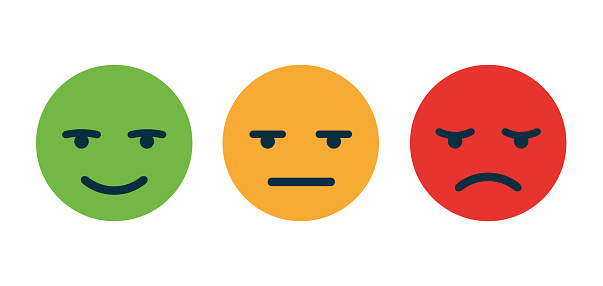
According to a large-scale study by Mannheim Business School in Germany, reviews written on weekends tend to be less positive than those written during the week. The study looked at 400 million online reviews across products, services, workplaces and more and found one clear pattern: people give lower ratings and tend to write a bit grumpier on the weekends. Go figure.
But weekends are supposed to be fun, right? More relaxation, fewer meetings, no commute. But researchers suggest something deeper is happening:

Consider the source
The effect appears to be linked less to how happy people are on weekends, and more to who is choosing to leave reviews at that time. The data hint that reviewers who are more socially isolated or experiencing dissatisfaction may be more likely to post on weekends—a phenomenon researchers call temporal self-selection.
Small businesses feel it more
A single negative review can significantly drag down an average score, especially for products or services with only a handful of ratings. For small businesses or emerging brands, that shift can have real business implications.

Consider behavior in context
This weekend pattern isn’t just an odd quirk of online review platforms, it’s a reminder that context shapes behavior. Human actions aren’t fixed or isolated; they’re tied to time, mindset, social connection, and personal experience.
Marketing researchers look for signals in behavior that go beyond face value data. Questions like “Why do some groups behave differently at certain times?” and “What underlying motivations affect the choices they make?” lead to insights that enable brands to build a deeper understanding of their customers.
Why we love it
Human behavior continues to be fascinating as it routinely resists simple explanation. The weekend effect is just one reminder how deep and complex the explanations can be.
Curious how your own business or product might be influenced by complex human behavior? Gain a strategic advantage through thoughtful research from InsideHeads.
Read the original press release here.
Leave a Reply